Fertility Treatments
Fertility Basics
How Successful is IVF?
A look at IVF success rates, key factors, and steps you can take to improve pregnancy odds.

In vitro fertilization (IVF) has become a beacon of hope and success for many couples struggling with infertility. But just how successful is this advanced reproductive technology and what does it entail?
Let’s dive into the world of IVF and explore its success rates, influencing factors, and ways you can improve your chances for pregnancy success.
This blog will cover:
What is IVF?
Success Rates of IVF
Factors Influencing IVF Success
Tips for Improving Your Chances of IVF Success
What is IVF?
IVF is a series of medical and lab procedures that are used to overcome infertility and aid in the conception of a child. IVF can also be used to prevent the transfer of hereditary genetic worries that an individual or couple may be concerned about such as sickle cell anemia, for example.
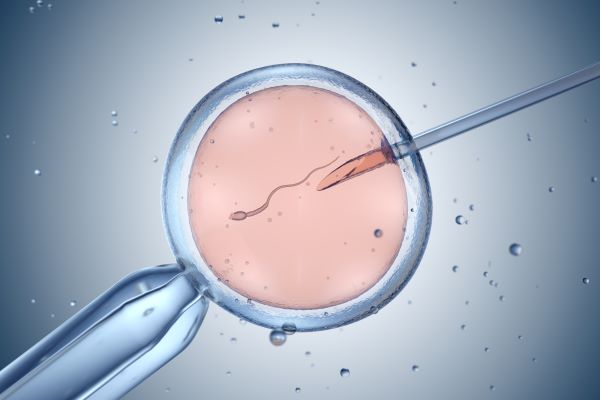
During IVF, mature eggs are collected from ovaries and fertilized by sperm in a lab. The fertilized eggs are then cultured for five to six days to see how many develop into embryos. At this stage the embryos can be tested for genetic diseases. If an individual or couple elects to test their embryos, the embryos will then be cryopreserved until the genetic testing results return. Once the results return, the provider will review and a plan can be made to move forward with embryo transfer.
For an individual or couple who elects not to undergo genetic testing on their embryos, they can either plan for a fresh embryo transfer or cryopreserve the embryos to be transferred at a later date.
Common Reasons Why Couples Opt for IVF
Couples may choose to undergo IVF for a variety of reasons, including:
Fallopian tube damage or blockage
Ovulation disorders
Premature ovarian failure
Endometriosis
Impaired sperm production or function
Unexplained infertility
Genetic disorders
Fertility preservation for future family planning or dealing with cancer treatments or other medical conditions
Success Rates of IVF
The success rates of IVF treatments have been increasing each year as scientific research, lab technologies, and medical procedures continue to advance.
Current Statistics on IVF Success Rates
The success rate of IVF varies depending on several factors, but overall, it has improved significantly since its introduction. According to recent data from the Society for Assisted Reproductive Technology (SART), the average live birth rate is around 30-35% for all IVF cycles.
What is an IVF Cycle?
An IVF cycle is a series of medical procedures used to help individuals or couples conceive a child. Here’s a brief overview of the main steps:
1. Ovarian stimulation: A patient receives hormone injections to stimulate ovaries to produce multiple eggs.
2. Egg retrieval: Once the eggs mature, they are collected from the ovaries using a minor surgical procedure.
3. Sperm collection: A sperm sample is obtained, usually through ejaculation.
4. Fertilization: Eggs and sperm are combined in a laboratory dish to facilitate fertilization.
5. Embryo culture: The fertilized eggs are monitored for several days as they develop into embryos.
6. Embryo transfer: An embryo is transferred into the uterus. While it is possible to transfer two embryos, ASRM recommends only a single embryo. There are just a few individual cases where two would be transferred.
7. Pregnancy test: About two weeks after the embryo transfer, a pregnancy test is conducted to determine if the cycle was successful.
This process typically takes about 2-3 weeks to complete. Success rates vary depending on various factors, including age of the patient, the quality of the transferred embryos, and the nature of any underlying fertility issues.
IVF Success Rates by Age
Age is one of the most critical factors affecting IVF success. Here’s a breakdown of success rates by the age of a woman trying to conceive:
Under 35
Women under 35 have the highest success rates, with about 40-50% of IVF cycles resulting in live births.
Ages 35-37
For women aged 35-37, the success rate drops slightly to about 30-40%.
Ages 38-40
Women in this age group can expect success rates of about 20-30%.
Over 40
For women over 40, success rates decline more sharply, ranging from 5-15% depending on individual circumstances.
The Age of Male Sperm and IVF Succes
The age of the male contributing sperm will also affect the success rate of IVF, although its impact is generally less pronounced than the age of the female partner. Here are some key points regarding sperm quality:
Sperm quality: As men age, there can be a decline in sperm quality, including:
Decreased sperm count
Reduced sperm motility (movement)
Increased DNA fragmentation in sperm
Genetic risks: Older males have a slightly increased risk of passing on genetic abnormalities, which can affect embryo development and implantation.
Mitigating factors: Advanced sperm selection techniques in IVF can help offset some age-related issues.
Relative importance: Female age remains a more critical factor in IVF success rates compared to male age.
Overall Impact on IVF outcomes are more noticeable after age 40-45, but can vary individually. Impact might include:
Lower fertilization rates
Reduced embryo quality
Slightly lower pregnancy rates
Increased risk of miscarriage
Again, while male age does play a role, its impact is generally less dramatic than female age in IVF outcomes. Each case is unique, however, and other factors like the male’s overall health and lifestyle can also influence fertility.
Factors Influencing IVF Success
In addition to age, several other factors can impact whether an IVF treatment will be successful:
Quality and quantity of eggs and sperm
Cause of infertility
Lifestyle factors (smoking, alcohol consumption, weight)
The expertise of the fertility clinic
Uterine receptivity
Improving Your Chances of IVF Success

While some factors are beyond a patient’s control, there are steps you can take to improve your chances of IVF success:
Maintain a healthy weight
Quit smoking and limit alcohol consumption
Reduce stress through relaxation techniques or counseling
Follow your doctor’s instructions carefully
Consider genetic testing of embryos in order to select the embryos with the highest chances for success
Optimize your nutrition with a balanced diet rich in antioxidants
Consider additional treatments like acupuncture or supplements (under medical supervision) to optimize your health and management of stress
Frequently Asked Questions (FAQs)
How many IVF cycles does it typically take to succeed?
On average, most couples who achieve success with IVF do so within three cycles. However, this can vary greatly depending on individual circumstances.
What are the common side effects of IVF?
Common side effects include mood swings, bloating, mild cramping, and breast tenderness. More serious but rare side effects can include ovarian hyperstimulation syndrome (OHSS) and complications from the egg retrieval procedure.
How do I choose the best clinic for IVF?
Look for clinics with high success rates, experienced doctors, state-of-the-art facilities, and a supportive clinical staff. Consider factors like the clinic’s approach to treatment, cost, and location.
Is there anything I can do to improve my chances?
Yes, following the tips mentioned in the “Improving Your Chances of IVF Success” section can help. Additionally, staying positive, managing stress, and maintaining open communication with your partner and medical team are crucial.
IVF success rates have improved dramatically over the years, offering hope to many couples struggling with infertility. While the journey can be challenging, understanding the process, success rates, and factors influencing outcomes can help you make informed decisions and approach treatment with realistic expectations.
If you are wanting the best in IVF treatments, Atlantic Fertility in Raleigh, North Carolina is such a clinic. In addition to having some of the country’s most highly-trained female fertility specialists, Dr. Susannah Copland, Dr. Mary Peavey, Dr. Jenna Hynes, and Dr. Hilary Friedlander, Atlantic Fertility has one of the most highly-trained and experienced male fertility experts in the world, Dr. Matt Coward.
Atlantic Reproductive offers the latest treatment advancements, technologies, and testing with state-of-the-art embryology and andrology labs–all in one clinic.
Reach out. Learn more.
A consultation at Atlantic Fertility gives you full-spectrum expertise for both female and male fertility—so you can understand your options and move forward with confidence.