Male Fertility
Treatment Options
MicroTESE (Microsurgical Testicular Sperm Extraction)
Learn how MicroTESE helps men with non-obstructive azoospermia retrieve sperm for IVF.

What Is MicroTESE?
Microsurgical testicular sperm extraction (microTESE) is the gold standard surgical approach for sperm retrieval in men with non-obstructive azoospermia (NOA), a condition where sperm production is so low that no sperm is visible in the ejaculate.
In this advanced microsurgical procedure, a reproductive urologist uses a high-powered operating microscope to carefully examine the seminiferous tubules within the testicles and selectively retrieve areas most likely to contain sperm.
MicroTESE is only performed for non-obstructive azoospermia, where the challenge is sperm production, not a blockage.
Azoospermia: Key Facts
By the numbers:
10% of men with infertility have azoospermia
1% of all men have azoospermia
⅔ of azoospermia cases are non-obstructive, and ⅓ are obstructive
Understanding whether azoospermia is obstructive or non-obstructive is critical, as it determines which treatments are appropriate.
What Is Non-Obstructive Azoospermia (NOA)?
Non-obstructive azoospermia means the testicles produce very small amounts of sperm that never leave the testicles or appear in the ejaculate.
NOA can occur for several reasons, including:
Genetic conditions, such as abnormal karyotypes
The most common genetic cause is Klinefelter syndrome, which occurs in up to 1 in 500 males
Prior cancer treatment, including chemotherapy or radiation
Hormonal imbalances
Idiopathic causes, meaning no clear cause is identified
Idiopathic NOA is the most common overall cause
Because sperm production may exist only in tiny, isolated areas, microTESE is designed to find sperm where other techniques cannot.
When Is MicroTESE Recommended?
A specialist may recommend microTESE for men who:
Have confirmed non-obstructive azoospermia
Have genetic testing results that suggest sperm may be present
Have not had sperm identified through less invasive methods
Before microTESE is considered, your care team will:
Confirm the diagnosis through thorough evaluation and testing
Clarify family-building goals
Initiate treatments that may improve sperm production, such as lifestyle optimization or hormone therapy
MicroTESE is considered only after these steps, ensuring surgery is used thoughtfully and strategically.
How MicroTESE Differs From Other Sperm Retrieval Techniques
MicroTESE is more extensive and more precise than other sperm retrieval procedures.
It differs from procedures commonly used for obstructive azoospermia, such as:
TESE – Testicular Sperm Extraction
TESA – Testicular Sperm Aspiration
PESA – Percutaneous Epididymal Sperm Aspiration
MESA – Microsurgical Epididymal Sperm Aspiration
Most obstructive azoospermia is caused by vasectomy.
Outside of vasectomy or failed reversal, the most common cause of obstructive azoospermia is congenital bilateral absence of the vas deferens (CBAVD).
Because non-obstructive azoospermia involves extremely limited sperm production, microTESE offers:
~3× higher sperm retrieval rates compared to conventional TESE
Sperm retrieval in approximately 50% of cases, depending on individual factors
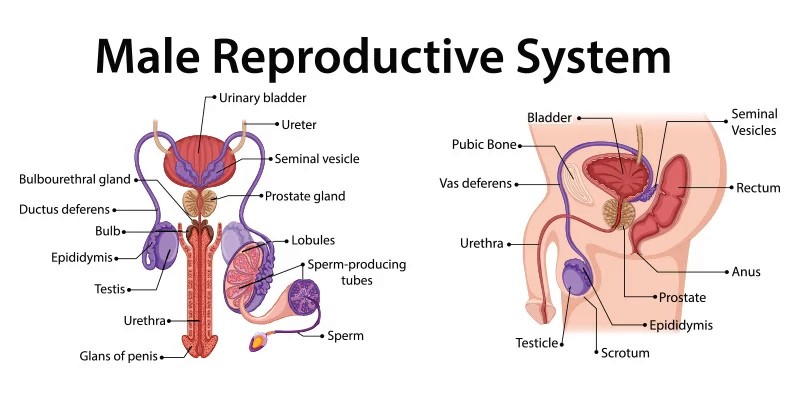
What Happens During a MicroTESE Procedure?
MicroTESE is a highly specialized outpatient surgery that typically lasts about 3 hours.
With this procedure:
General anesthesia is required
A small (2–3 cm) incision is made in the midline of the scrotum
A specialized operating microscope (40× magnification) is used to identify areas of active sperm production
Multiple tissue samples are carefully removed
On-site andrology and embryology specialists evaluate samples in real time
If no sperm are found in one testicle, the other testicle is examined
Any sperm found in this procedure can be used for in-vitro fertilization but not an intrauterine injection (IUI)
Success rates vary between 20-70% depending on individual factors discussed during the initial consultation
The incision is closed with fine, absorbable stitches
This real-time collaboration between surgeon and laboratory is a critical advantage of undergoing microTESE at Atlantic Fertility.
Why Extracted Sperm Are Only Used for IVF
Sperm retrieved through microTESE can be used fresh or frozen for future fertility treatment using IVF with intracytoplasmic sperm injection (ICSI).
IVF is required because:
Surgically retrieved sperm have not developed the ability to swim
The number of sperm retrieved is typically very limited
ICSI allows a single sperm to be directly injected into an egg
Post-Surgery Care
Most men recover quickly with minimal discomfort.
After surgery, most patients:
Use ice and tight scrotal support for 48 hours
Take prescription-strength anti-inflammatory medication and Tylenol (1,000 mg every 6 hours)
Avoid sexual activity for 1 week
Avoid vigorous exercise for 2 weeks
Stronger pain medication is rarely needed.
Risks With MicroTESE Are Rare
Complications occur in less than 5% of cases and may include:
Infection
Bleeding
Temporary or permanent decrease in testosterone production
Chronic pain
Decrease in testicular size
The Atlantic Difference
MicroTESE is a rare and highly specialized procedure, available at only a limited number of centers nationwide.
At Atlantic Fertility, microTESE is performed by Dr. Matt Coward, a nationally recognized reproductive urologist and previous President of the ASRM Society for Male Reproductive Urology, supported by:
On-site embryology and andrology laboratories
Real-time sperm evaluation during surgery
Close coordination with IVF and ICSI teams
Comprehensive care for both male and female partners in one location
Because of this expertise, Atlantic Fertility welcomes patients from across the United States and internationally, with convenient access through RDU International Airport and nearby accommodations. Our team can coordinate microTESE with IVF cycles when needed.
Ready to Take the Next Step?
If you’ve been diagnosed with azoospermia or told sperm retrieval isn’t possible, a second opinion matters.
Call Atlantic Fertility to schedule a consultation at (919) 248-8777.
Reach out. Learn more.
A consultation at Atlantic Fertility gives you full-spectrum expertise for both female and male fertility—so you can understand your options and move forward with confidence.